This content may include affiliate links, which means if you click on them, I may get a commission. The cool thing is, there’s no extra cost to you!
Growing Sunchokes: Get 20 Lbs Per Plant in Tough Soil and Short Seasons
Inside: Growing sunchokes is easy, even in Arizona. Here's how I plant, water, and harvest Jerusalem artichokes to yield 10 to 20 pounds per tuber annually.
Are Sunchokes Hard to Grow?
No. Sunchokes grow where many other crops struggle.
I grew up gardening in California, with steady temperatures and a long growing season. Then I moved to Arizona's high desert, and gardening got hard. The growing season here is short, and the soil is rocky and full of caliche.
Caliche is soil cemented together by lime (calcium carbonate). Caliche can restrict root growth, block drainage, and keep plants from getting the iron they need.
I earned my Arizona Master Gardener certification to learn how to garden in conditions like these. One of the plants I learned about was the sunchoke, also called the Jerusalem artichoke.
I bought a bag from a local grower at the farmers market, planted them in spring, and watered them. That's all I did. When I dug them up in November, every tuber I planted had turned into 10 to 20 pounds of sunchokes. I also learned some tough lessons along the way.
Overview: What Sunchokes Are
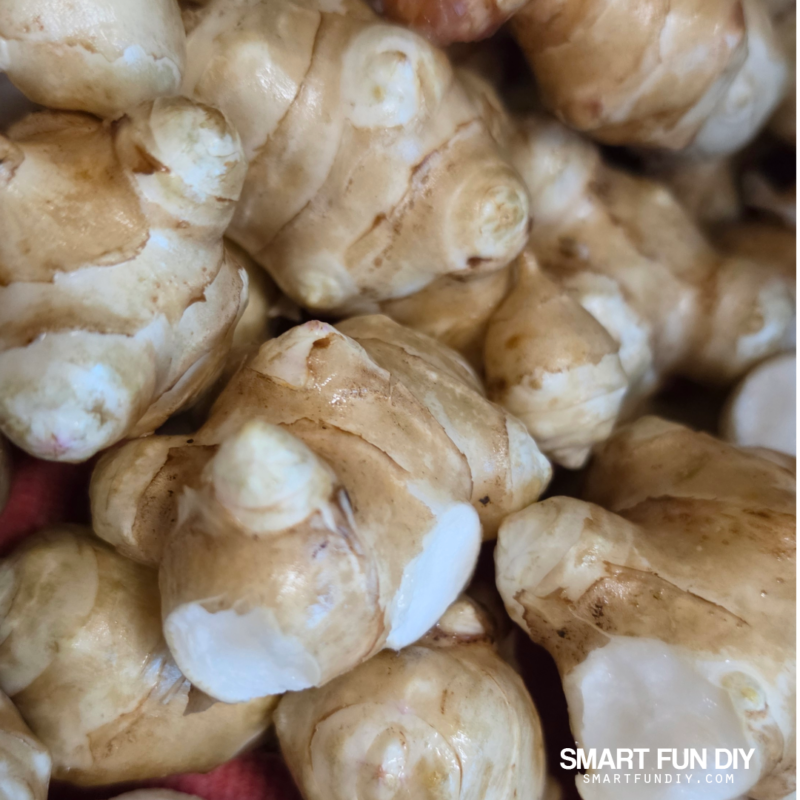
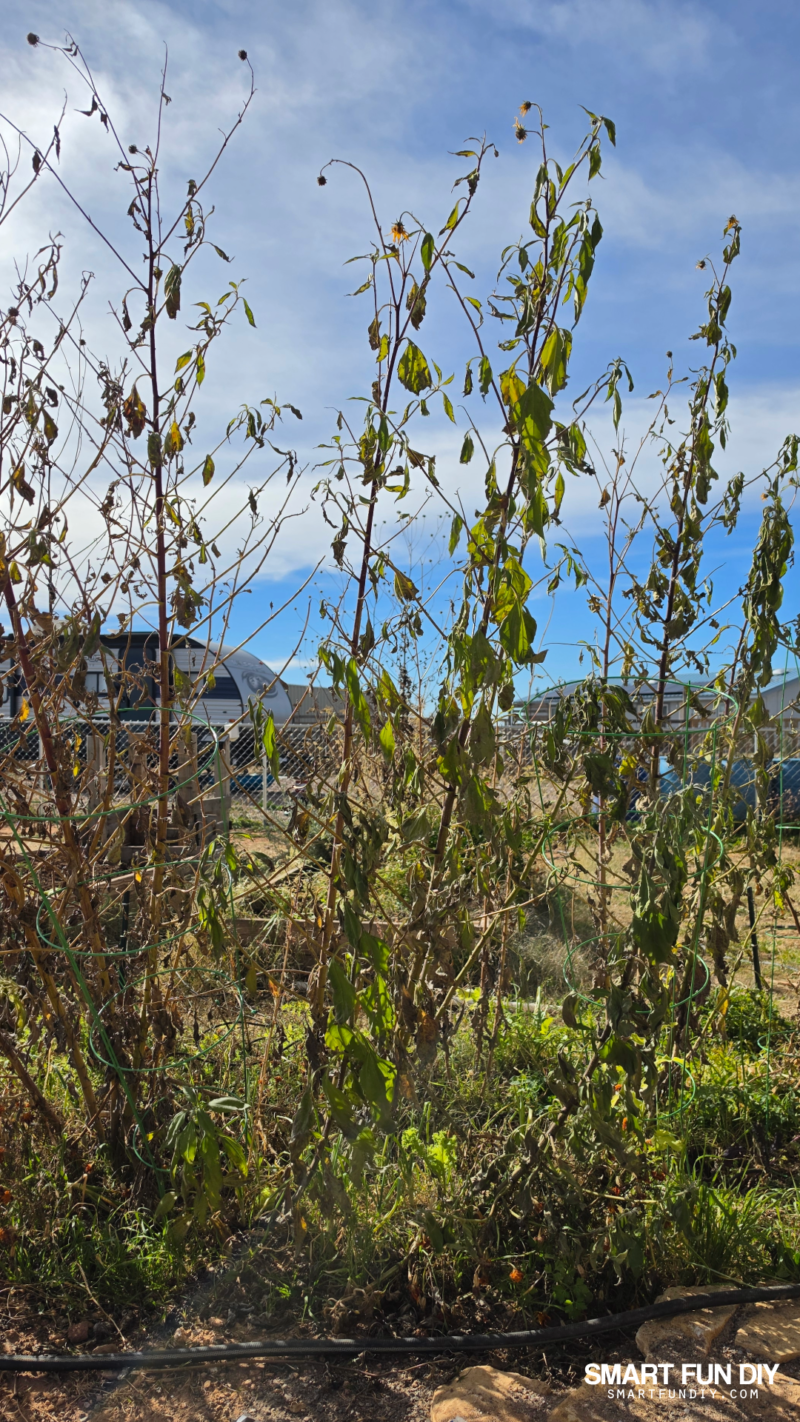
Above ground, a sunchoke looks like a sunflower, tall with bright yellow flowers. Below ground, the plant grows knobby tubers with a potato-like flavor and a low glycemic index.
The name misleads people. With a globe artichoke, you eat the flower. With a sunchoke, you eat the tubers that grow underground.
Sunchokes come back year after year. Any piece of tuber or root left in the ground will sprout a new plant. You can also dig up tubers and replant them the next year.
My plants grew about 6 to 8 feet tall, with roots spreading out in a 6-foot diameter.
Why Sunchokes Grow Where Other Plants Struggle
Sunchokes handle harsh winters, hot summers, and poor soil.
Jerusalem artichokes survive in USDA zones 3a through 9b. My garden sits in zone 7a, where the last frost comes in late April, and the first frost comes in mid-October.
Sunchokes prefer alkaline soil, around pH 7 to 7.5. Most Arizona soil has a pH between 7 and 8.5, so sunchokes feel right at home.
Jerusalem artichokes tolerate most soil types as long as the soil drains. My beds have clay, and the tubers push right through.
As the tubers grow, they open big air pockets in the soil, so at harvest the bed comes out loose and ready for the next crop with zero tilling. I plant garlic in the beds right after harvesting my sunchokes.
Sunchokes Pay You Back
Sunchokes count as a delicacy, which surprised me. Online and in gourmet stores, they sell for $20 to $24 a pound.
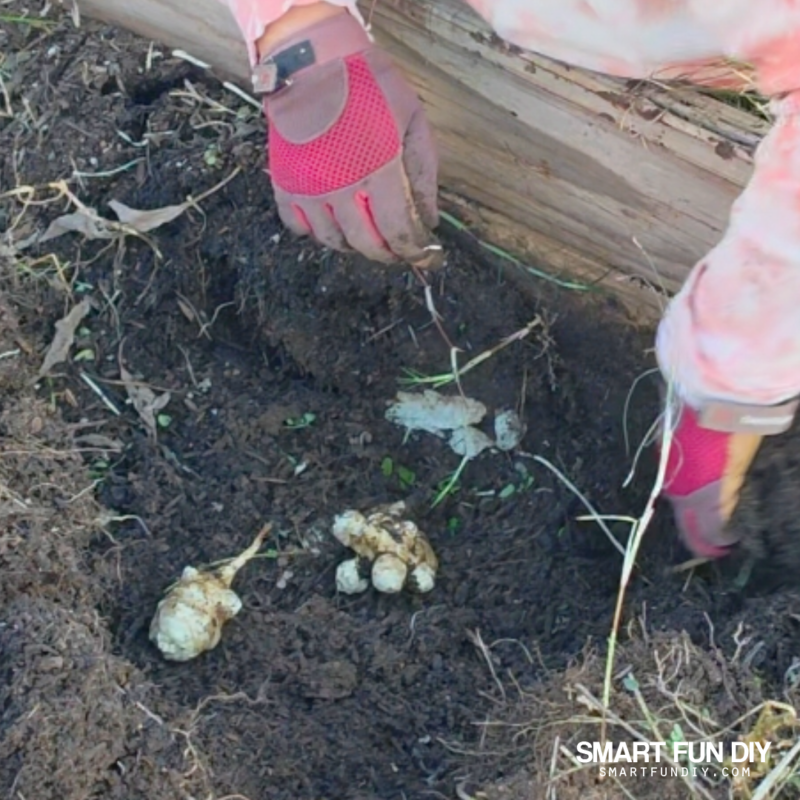
My first bag of tubers cost $7. Within a week of listing my harvest on Facebook Marketplace, I made a couple hundred dollars. 🤩 Every plant I harvest gives me 10 to 20 pounds.
With Sunchokes, Nothing Goes to Waste
I use every part of the plant:
- Branches: I cut them up for my garden beds and compost.
- Good tubers: I eat, store, or sell them.
- Rotten tubers and leftover roots: These keep growing, so I spread them on my garden paths to dry out, die over the winter, and turn into compost.
Why They're Worth Growing
Sunchokes grow fast and produce a lot, and as a delicacy, your extras can earn you money. They taste great, store well, and have a low glycemic index. Use them as a winter potato substitute or slice them raw into salads.
What You Need to Know Before You Plant Sunchokes
- Sun: Full sun (6+ hours) or partial shade (2 to 6 hours). Deep shade won't work.
- A permanent spot: Sunchokes come back every year, so pick a place where they can stay.
- They spread: Any tuber left in the ground will regrow. My roots spread out in a 6-foot diameter, and the tubers love to tuck under the edges of my raised beds.
- Raised boxes need a liner: Raised boxes, like the metal ones, need a liner. In wood or any box without one, sunchokes will sneak out the bottom. 😅
- Timing: Plant in spring after your last frost, once the soil warms to about 43 to 45°F. Or plant in fall, mulch, and leave them to sprout in spring.
- Varieties: Stampede (early, about 90 days), Red Fuseau (mid-sized tubers with dark red skin), and White Fuseau (tall, easy-to-peel white tubers).
Planting Depth and Spacing for Jerusalem Artichokes
Cut large tubers into sections before planting. Plant them 2 to 3 inches deep or up to 6 inches deep. Extension guides disagree on depth.
Space them 24 to 30 inches apart, with 3 to 4 feet between rows.
Watering Sunchokes
I water my sunchokes with a drip system on timers, twice daily. No fertilizer, no fussing. Extension guides recommend steady watering from planting through harvest, with straw mulch to hold in moisture.
Harvesting Jerusalem Artichokes
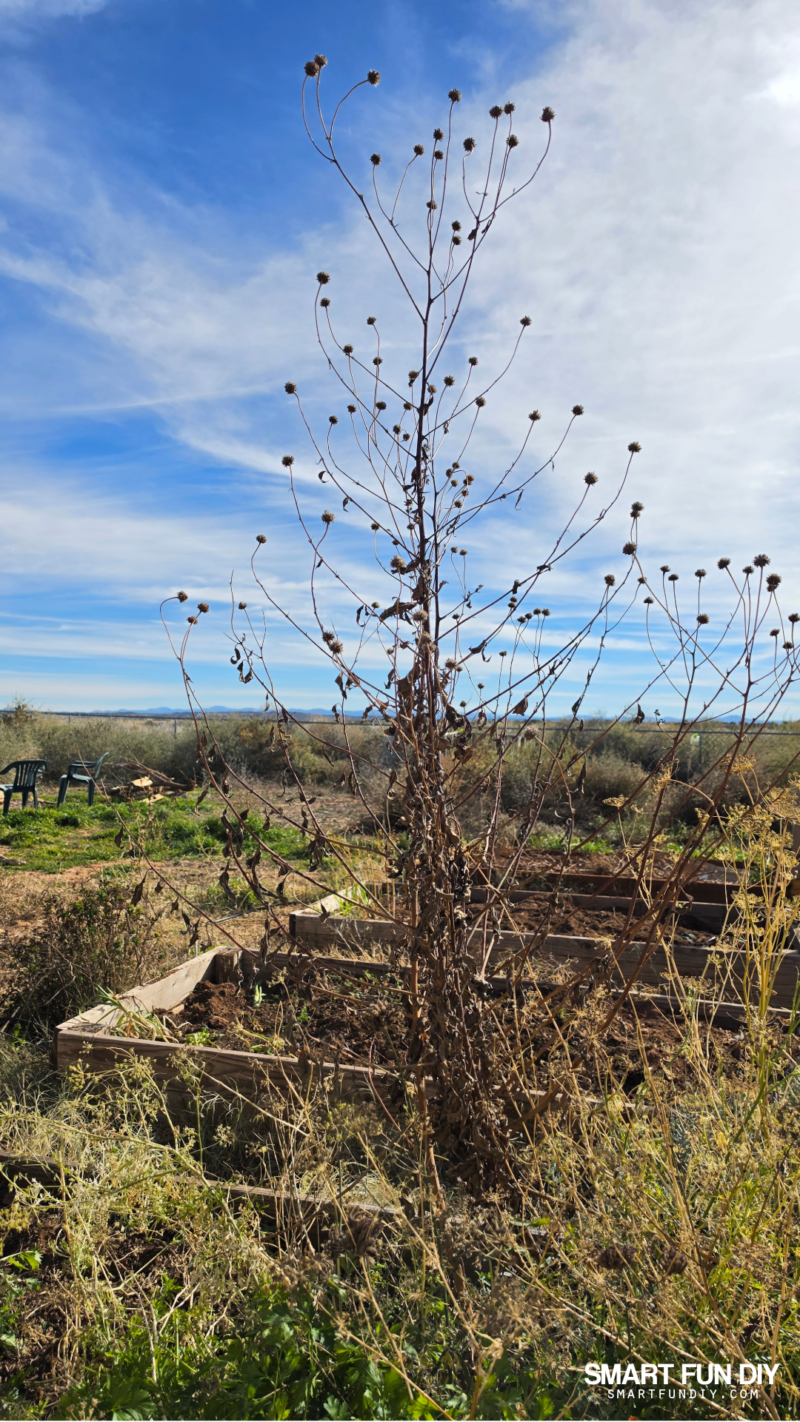
Wait until the whole plant dies back above ground. If any part stays green, give it time. Frost will finish it off.
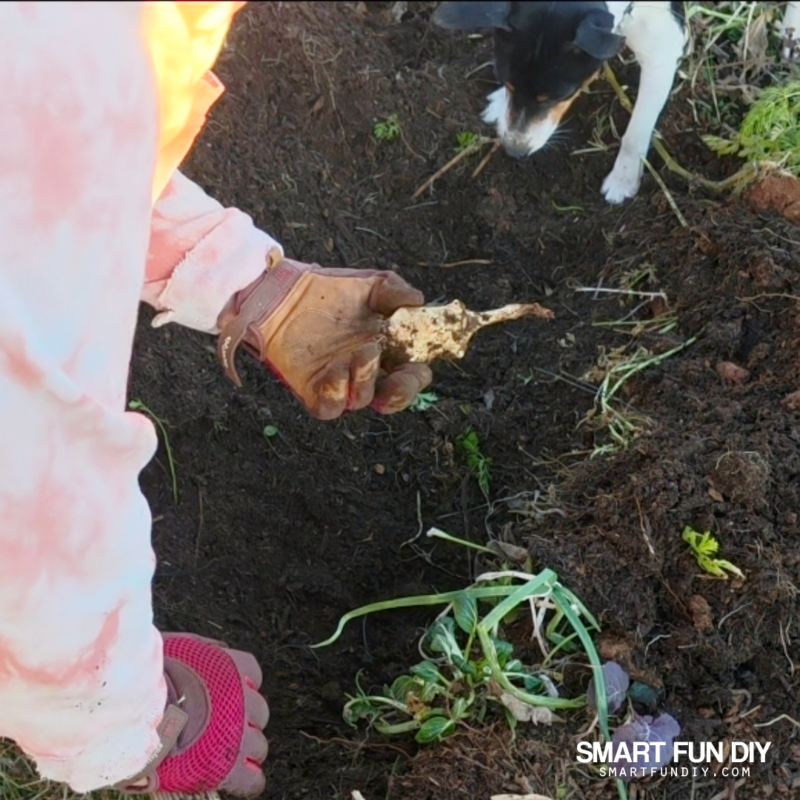
Then grab a shovel and gloves, because you'll dig down to find the tubers. If you use a shovel to dig in the dirt to find the tubers, it's okay to slice a few in half with the shovel; just be sure to consume these tubers first, as they will oxidize more quickly when cut. Check the edges of your beds, where tubers like to hide.
Switching the Sunchokes Bed to Another Crop
Dig out every tuber and every root string. Anything you leave behind keeps growing. Here's how I keep mine in check: [LINK: Post 2, Stop Sunchokes Spreading].
What Do Sunchokes Taste Like?
To me, sunchokes taste like nutty potatoes with a hint of water chestnut. Opinions vary online, and most people agree they taste great.
How Do You Cook Sunchokes?
Cook them the way you'd cook a potato:
- Sautéed: Fry them like breakfast potatoes.
- Roasted: Roast them in the oven using my son's recipe and fresh herbs: Roasted Sunchokes Recipe
- In a pot roast: They soften faster than potatoes, so add them in the last 5 to 10 minutes.
- Raw: Julienne or slice them for salads. Raw sunchokes cause more gas, so read my post about minimizing Sunchoke Gas first.
How Do You Store Sunchokes?
Sunchokes keep best at about 32°F with 95% humidity, or in plastic bags in the refrigerator. Keep them dark and moist, or they'll oxidize fast and rot.
Some people store them in dirt or in ditches outside. I have too many animals and wildlife outside, and they may disturb the sunchokes, so I store mine inside.
Where Can You Get Tubers to Plant?
Buy them from me on Facebook Marketplace if you are local to northern Arizona. You can also order them online; click here to check prices.
Tubers oxidize and rot fast, so a local grower you know is your best bet.
How to Plant and Grow Sunchokes
- Pick a sunny spot where the sunchokes can stay for years.
- Line the bottom of any raised bed you plant the sunchokes in.
- Cut large tubers into sections.
- Plant after your last frost, or plant in fall and mulch.
- Plant them 2 to 6 inches deep.
- Space them 24 to 30 inches apart, with 3 to 4 feet between rows.
- Water through the season.
- Wait until the whole plant dies back above ground.
- Dig with a shovel and gloves, and check the edges of your beds.
- Cut up the branches for your garden beds and compost.
- Spread rotten tubers and leftover roots on your paths to dry out over the winter.
- Dig out every tuber and root string before you switch the bed to another crop.
What Questions Do You Have About Growing Sunchokes?
Leave them in the comments, and I'll be happy to answer them.
Sources
- Arkansas Extension: tubers left in the ground regrow and spread, planting depth, spacing, storage
- NC State Extension: hardiness zones, soil types, soil pH preference, sun, spread
- PlantMaps: zone 7a frost dates
- University of Arizona Extension, Caliche Quick Guide: what caliche is
- University of Arizona Extension, Managing Caliche: how caliche affects plants
- University of Arizona Extension, Soil Alkalinity: Arizona soil pH
- Ohio State Extension: planting timing, planting depth, watering and mulch
- Yavapai County Master Gardeners: varieties, cutting tubers into sections
- UNH Extension: low-glycemic carbohydrate, water chestnut texture
About the Author

Jennifer Priest is a 20+ year designer in the arts & crafts industry and home DIYer with a passion for creativity. An Army veteran raised on a ranch, from her experience, she shares smart DIY projects that save money and fun craft ideas that anyone can make. Besides blogging, Jennifer is a Master Practitioner and Trainer of NLP, Hypnosis, and MER, and coaches other online entrepreneurs on money mindset, business, and living an intentional life. When not blogging, Jennifer is having adventures in the wilderness, on road trips, playing with her cats, and making paleo food.